But Every Hotel Has a Safe!'—Tales from the Front Desk and the Epidemic of Not Reading
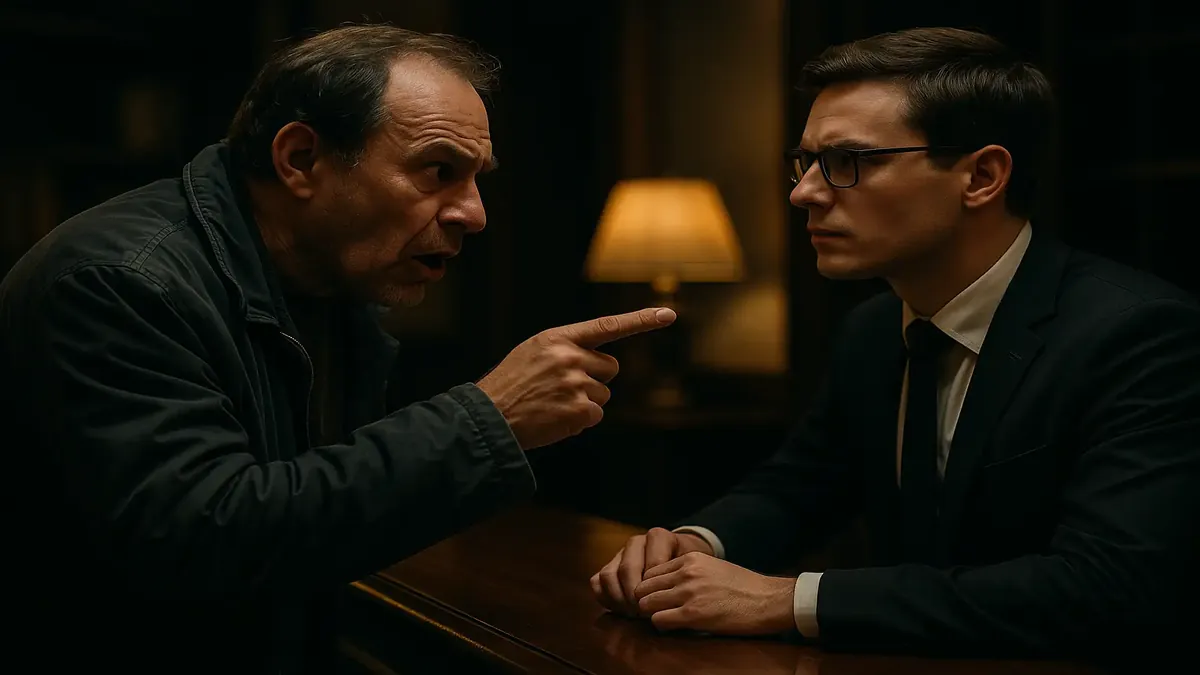
Picture this: You’re at a hotel front desk, enjoying a relatively calm day, when a guest comes down in a huff. He’s agitated, gesturing, and after a language-barrier tango, you realize the source of his distress: there’s no safe in his room. Cue the dramatic music.
You point out that the absence of a safe was crystal clear on your website, but he’s having none of it. “Every hotel has a safe!” he insists. “You must buy me a safe.” Suddenly, you’ve gone from hospitality specialist to emergency locksmith and safe procurement agent. And when you offer a reasonable compromise—a partial refund—he refuses to leave, only to later award you a glowing 10/10 rating. Welcome to the wild world of hotel front desk tales, where reading is rare, and responsibility is always someone else’s.
Reading? In This Economy?
It’s not just a hotel thing—people everywhere seem to treat written information like it’s radioactive. As u/FrittyFrincess hilariously points out, even in the grocery store, “All they have to do is read the words in front of them. About 10% of customers do this!” Whether it’s tapping on card readers, ignoring “NO PARKING” signs (as u/FlyingPocketMercy laments), or skimming right past that little line about the $250 deposit, the common thread is clear: reading is optional, but blaming the staff is mandatory.
The original poster, u/Iuceciita, found themselves in this exact pickle with the Russian guest. The hotel, new and still settling in, was missing a few amenities—including safes. But the website was upfront about it. Language barriers aside, the expectation was that guests would check for features that matter to them. As OP quipped, “Let’s say a pool is one of my top priorities… The first thing I’m going to do is make sure the hotel I’m booking actually has one.” Makes sense, right? Apparently not for everyone.
The Great Safe Debate: Security, Assumptions, and Surprises
But let’s pause for a second—should it really be the guest’s job to double-check every amenity? Some commenters think not. u/Select_Draw3385 weighed in: “Seems like a safe in that area would have been a higher priority. I can understand his angst… They should inform people when they check in so that the customer has the choice to stay there or not.”
It’s a fair point. In regions where security is a concern, the absence of a safe could be a dealbreaker. Yet, as the OP and others point out, personal priorities vary—some travelers want a pool, others a gym, and some just crave a safe spot for their vacation cash. The real breakdown happens when assumptions override information. As OP joked, “The hotel is responsible for not having a pool!!! BUILD ONE FOR ME lmao.” The expectation that every hotel offers every amenity leads to disappointment—and sometimes, to front desk drama worthy of its own reality show.
Then there’s the reality behind hotel safes themselves. u/Zefram71 and other hospitality veterans chimed in with an inside scoop: most hotel safes are laughably easy to break into. With master codes like “000000,” staff can open them at will. As u/reggie_fink-nottle shared, sometimes staff will “open the safe with the master code, to see if there’s anything they can steal that you won’t report missing (like drugs).” Not exactly Fort Knox! So, for those guests who treat the hotel safe as a bank vault: you might want to rethink your security strategy.
The Customer is Always… Uninformed?
The story doesn’t end with safes. Hotels face this phenomenon daily, from surprise resort fees to hefty deposits. As u/Thisisurcaptspeaking noted, “People never read!! Our deposit is $250, USD… people always say they didn’t see the deposit. I love seeing the site they booked and showing them at the bottom the deposit rate. Then it becomes my fault they didn’t bother to check at the bottom or read.” The cycle is endless: guest misses the info, gets mad, blames the staff, and sometimes—just sometimes—leaves a glowing review anyway.
And let’s not forget the role of third-party booking sites. As u/CrestedMacaw pointed out, “if they booked via third party, there’s a high chance they wouldn’t know” about things like deposits or missing amenities. The game of telephone between hotel, booking site, and guest often leaves key details lost in translation.
Lessons from the Front Desk (and Reddit)
So, what can we learn from this parade of misunderstandings and misplaced blame? For one, a little bit of reading goes a long way. Before you book, take five minutes to scan the amenities—especially the ones you can’t live without. If you’re unsure, call ahead, or send an email. And if you’re working the front desk, prepare for the inevitable: someone will always miss the fine print, and somehow, it will be your fault.
But maybe there’s a silver lining. As OP discovered, even the most disgruntled guest, after venting, arguing, and demanding a safe be conjured from thin air, might just leave you a perfect score. Sometimes, the experience isn’t really about the amenities—or the lack thereof—but about how you handle the bumps along the way.
So next time you’re checking into a hotel, or swiping your card at the grocery store, or pulling up to a “NO PARKING” zone, pause for a second and read the sign. You might save yourself—and the person on the other side of the counter—a whole lot of drama.
Have your own wild travel or customer service story? Drop it in the comments below—we promise we’ll actually read it.
Original Reddit Post: People don’t read