Floppy Disk Fiascos: The Hilarious Perils of Shipping Software Before Specs Are Final
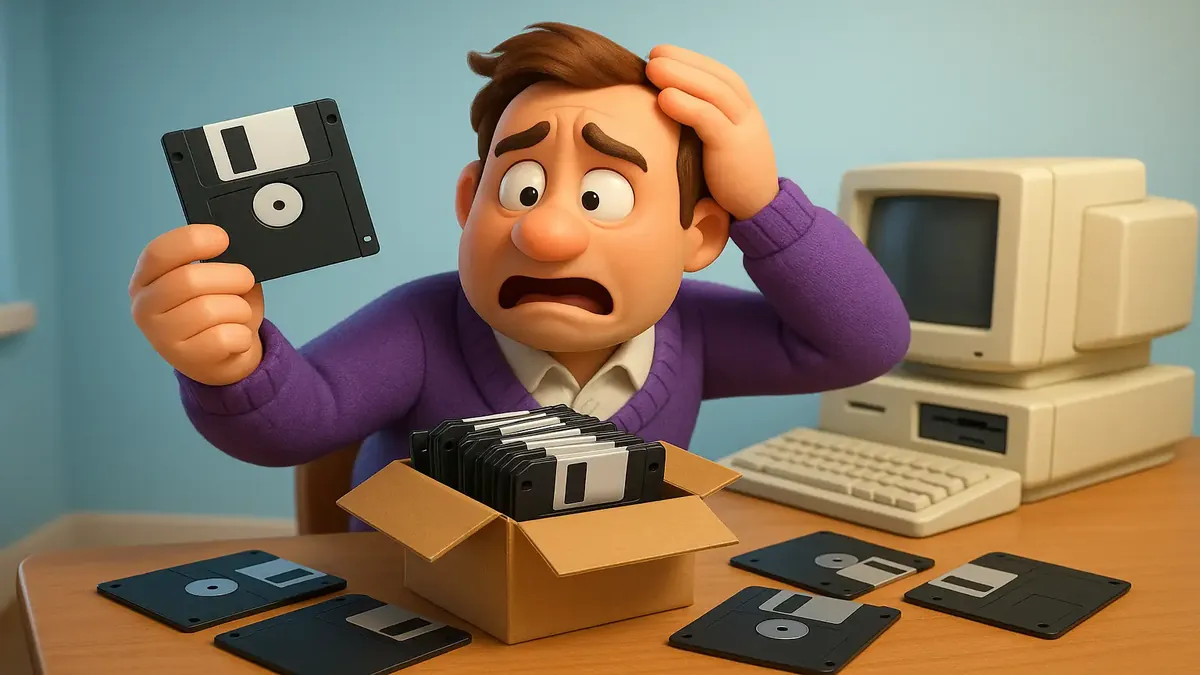
Picture this: it’s the floppy disk era, MS-DOS reigns supreme, and software releases are as much exercise in logistics as they are in programming. You’re running on coffee, adrenaline, and the faint hope that the industry you serve will make up their mind—before you’ve spent all weekend duplicating hundreds of floppies. Now imagine you’ve just shipped every last customized disk, only to learn the goalposts have moved. Again. Welcome to the world of “shipping first, thinking later”—and grab a stack of floppies, because things are about to get wild.
The Floppy Days: When Software Delivery Was Literal
Back before “shipping software” became a synonym for deploying code to the cloud, it meant physically copying programs onto disks—dozens of them—and sending them out into the world. Our hero from Reddit, u/dnabsuh1, worked at a small telecom software company where a big release meant making 200 copies of 12 different 5¼" floppies, or splitting it up onto six 3½" disks, customized for each client. Think assembly line, but nerdier and with a lot more swearing.
In these ancient times, disk duplication was a company-wide event. “Sally, make 100 copies of disk 3!” “Fred, get on disk 2!” All hands on deck, everyone chained to their desktops, churning out floppies faster than you could say “CompUSA run.” Eventually, salvation appeared in the form of a drive duplicator with an autofeeder—a luxury as welcome as a working coffee maker on a Monday morning.
And just when you think the worst is over, the real fun begins.
Deadline Madness: The Art of Moving Goalposts
You’ve spent a caffeine-fueled weekend burning floppies, printing labels, and sneaking naps on the office couch. You drop the precious packages at FedEx, ready to collapse into a well-earned coma. Then, the phone rings: the industry forum—because there’s always an industry forum—just decided, in a fit of panic and groupthink, to change the requirements. Two fields on the main screen need to be updated. And you shipped the old version… mere hours ago.
No problem, right? Just a five-minute code change, a one-hour incremental compile, and you’re back in business. Except that’s just the beginning. By Tuesday, there’s another, even more complex change—now involving conditional validations across multiple screens, the kind of logic spaghetti that would make any developer break out in hives. Our protagonist works late into the night, rewrites, recompiles, and starts the duplication shuffle all over again.
As u/Intelligent_Law_5614 commented, this isn’t exactly a rare occurrence: “Now that the deadline is passed, may we please have the specifications?” Software history is littered with tales of deadlines trumping actual requirements—because nothing says “professional” like baking a cake before you know if it’s supposed to be chocolate or, heaven forbid, okra.
Herding Cats: When the Office Becomes a Production Line
By midweek, the mood is somewhere between resigned and delirious. The whole company is recruited as an impromptu disk production line, with folks from every department labeling, packing, and prepping for the next shipping attempt. Even the most experienced developers—one with a PhD, another who wrote the initial Linux drivers for ATA CD-ROMs—are drafted into the chaos.
The pressure mounts. One customer is getting twitchy because their automation software can’t be customized until they have the new release. Wednesday, the team decides to hold off shipping, just in case (because, spoiler: more changes are coming). Thursday, a dozen more “emergency” changes emerge, courtesy of government mandates and last-minute forum decisions. It’s all hands on deck—again.
u/weirdal1968 chimed in with a familiar lament: “I swear the programmers left things until the absolute last possible minute then came to us demanding we drop all regular production work for their job. Usually mid-morning on a Friday. My boss didn’t have the clout to tell engineering to wait in line so us monkeys had to e-stop every other order to get it out the door to Fedex.” If you’ve ever worked in software or tech support, you’re probably nodding along in pained solidarity.
The Punchline: Hurry Up and… Wait?
Finally, the disks are shipped. Friday brings a barrage of client calls—“When will our disks arrive?”—and the inevitable write errors (because when you’re copying hundreds of floppies, at least a few will rebel). No matter; clients have backup copies and, miraculously, things are looking up.
But then, the plot twist: the very industry group that insisted on all these last-minute changes missed their own deadline. Orders would only be accepted using the old specification for the next two weeks. The new, painstakingly prepared software? Put it on ice. “Don’t use this software for 2 weeks, keep using the old version,” the team had to tell every single client.
As u/gromit1991 wryly observed, sometimes it’s the customer who gets left out in the cold: “Siunds that's where that one customer of yours gets no orders for two weeks whilst all of the others get a two week headstart on their compettor.” In this case, everyone was equally out of luck—except maybe the folks who finally got to eat their Thai food and sleep.
On the bright side, the company used this as an opportunity to upgrade: goodbye, 5¼" floppies, hello, CDs! The office’s collective sanity—and wrists—thanked them.
Conclusion: Lessons from the Land of Floppies
What’s the moral of the story? If you’re going to schedule a software release, make sure your requirements are set in stone—or at least not written in chalk, on a windy day. And if you’re stuck in the trenches of last-minute releases and shifting specs, know you’re in good company. As the community echoed, these woes aren’t new, but they sure make for epic stories (and maybe a little PTSD).
Have your own tales of tech support chaos, floppy disk disasters, or last-minute release nightmares? Drop them in the comments—let’s commiserate, laugh, and remember: at least we’re not still doing this on floppies. (Right?)
Original Reddit Post: Shipping Woes- Don't schedule releases if your requirements are not final.