How a Water War Forced an Absent Landlord to Face the Flood: A Story of Petty Revenge and Community Power
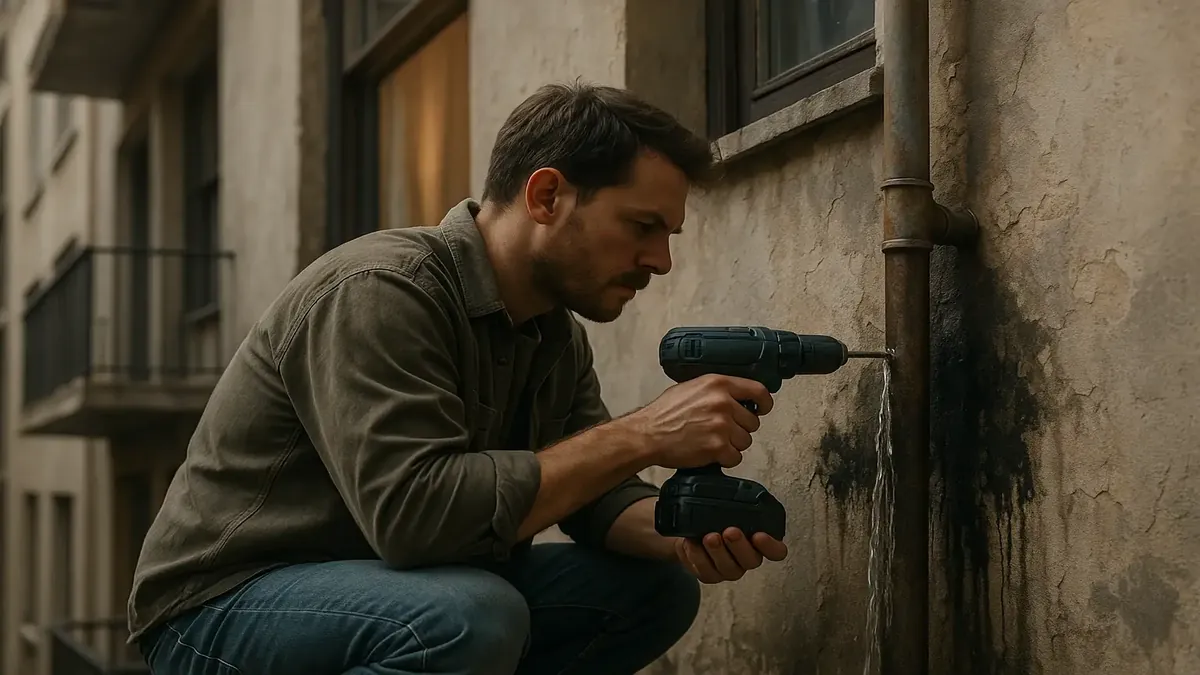
Picture this: you’re relaxing at home when you notice a damp patch blooming sinisterly on your living room ceiling. Days pass, and the patch grows, darkening, spreading, and maybe even starting to smell a little… suspicious. You investigate, only to discover the culprit is your absentee upstairs neighbor, who treats their flat like a money-printing machine and ignores your pleas for help. What do you do when polite knocks go unanswered and leaks keep leaking?
Welcome to the saga of the third-floor flat, a leaky landlord, and a building full of neighbors who decided enough was enough. If you’ve ever dreamed of staging a bloodless coup against negligent property owners, this one’s for you.
When the Drip Becomes a Deluge: The Leak No One Would Claim
Our hero (Reddit user u/Slanel2) lives on the third floor of a Spanish apartment building, and for months, they and their neighbors suffered from a persistent, damaging water leak. The source? The toilet in the fourth-floor flat above—owned by landlords who, rather than living there, rented the place out and, apparently, exercised their right to remain blissfully unaware.
The leak wasn’t just a minor inconvenience. According to the post and echoed by community member u/LompocianLady, the water was turning walls black—an ominous signal that mold was on the march. As u/LompocianLady wisely warned, “Remediation in your unit will need to be done with a mold specialist, as mold spores can easily get airborne and cause illness.” That’s not just a matter of inconvenience; it’s a serious health risk.
But when confronted, the landlords played the oldest card in the property playbook: Deny, deflect, and delay. Their hired “specialist” conveniently blamed the building’s community, not their own pipes. When the building’s own expert pointed the finger right back at the landlords, the standoff officially began.
The Art of Petty War: Turning Off the Taps
Negotiations failed. The landlords stuck their heads in the sand, sending the same specialist to repeat the same party line. Meanwhile, the leak kept spreading, and the tenants below were left to mop up the mess.
Desperate times called for creative measures. So u/Slanel2 and their fellow sufferers hatched a plan worthy of a “Game of Thrones” subplot (minus the dragons). As they recounted, “We... suggested we should cut the water supply for the 4th-floor flat so that the leaks would stop harming our properties until it was fixed.”
The community voted, and the decision was unanimous: Off went the water to the offending flat. No water, no leak. Simple, effective, and, as one commenter dubbed it, “a bloodless siege.” Redditor u/Vin-DicktiveDiaries was so impressed they awarded OP the “HOA Warlord Trophy of Tactical Brilliance” for their advanced slumlord warfare tactics.
Renters in the Crossfire, Landlords in the Spotlight
Of course, shutting off the water affected not just the landlords, but their unsuspecting renters—collateral damage in this battle of property politics. When the tenants discovered their taps had run dry, they went straight to u/Slanel2 and the others for answers.
The neighbors explained the situation honestly, and, as OP wrote, “the renters were very understanding and acknowledged the situation well.” Armed with this new knowledge, the tenants took up the fight, threatening their landlords with legal action if the leak wasn’t fixed.
This was the final push needed. The landlords—now facing the wrath of their own tenants and the possibility of a slow, expensive lawsuit—finally caved. They hired a new specialist, who confirmed what everyone already knew: the leak was their responsibility, period.
Lessons from the Reddit Peanut Gallery: Mold, Insurance, and International Differences
The comments on u/Slanel2’s post overflowed with advice, legal insights, and a few good laughs. Some, like u/Practical_Wind_1917, stressed the importance of getting insurance and lawyers involved: “If it is coming from the toilet in their owned space, they are responsible for it and the damages it caused.” Others, like u/AccreditedMaven, noted that in the U.S., insurance companies are often the real muscle in such disputes. Imagine the pressure if four different insurers ganged up on one negligent landlord!
Interestingly, several commenters pointed out that in the U.S., shutting off water to a single unit like this would be legally dicey—unless the leak was a true emergency. “I don’t think I know of any state that would allow those in the building to shut down the water on only one occupant,” noted u/night_noche. But as OP clarified, Spanish property law and community dynamics can be quite different, and when insurance failed them, this was the only way to break the deadlock.
And then there’s the health angle. Multiple commenters urged caution about mold exposure, with u/DueConsequence4072 warning that “the water can be creating mold that will give you brain damage or cause miscarriages. You can't mess around with this stuff.” In other words: leaks aren’t just inconvenient—they’re dangerous.
The Aftermath: Blocked Numbers and a Building United
Once the landlords were finally cornered, their response was predictable: they blocked their neighbors’ phone numbers and slunk into digital exile. But the water was restored to the tenants, the source of the leak was acknowledged, and—most importantly—the community proved that collective action can triumph over landlord negligence.
So, next time you’re faced with a stubborn leak (or a stubborn neighbor), remember the third-floor tactician and their band of HOA warriors. Sometimes, a little bit of petty revenge is just what the plumber ordered.
Have you ever been part of a building battle royale? Do you have your own tales of landlord drama or neighborly revenge? Share your stories below—just remember to keep your water supply handy!
Original Reddit Post: Revenge on negligent neighbor who wouldn't fix his leaks