How an IT Helpdesk Call Turned Into a Life-Saving Diagnosis
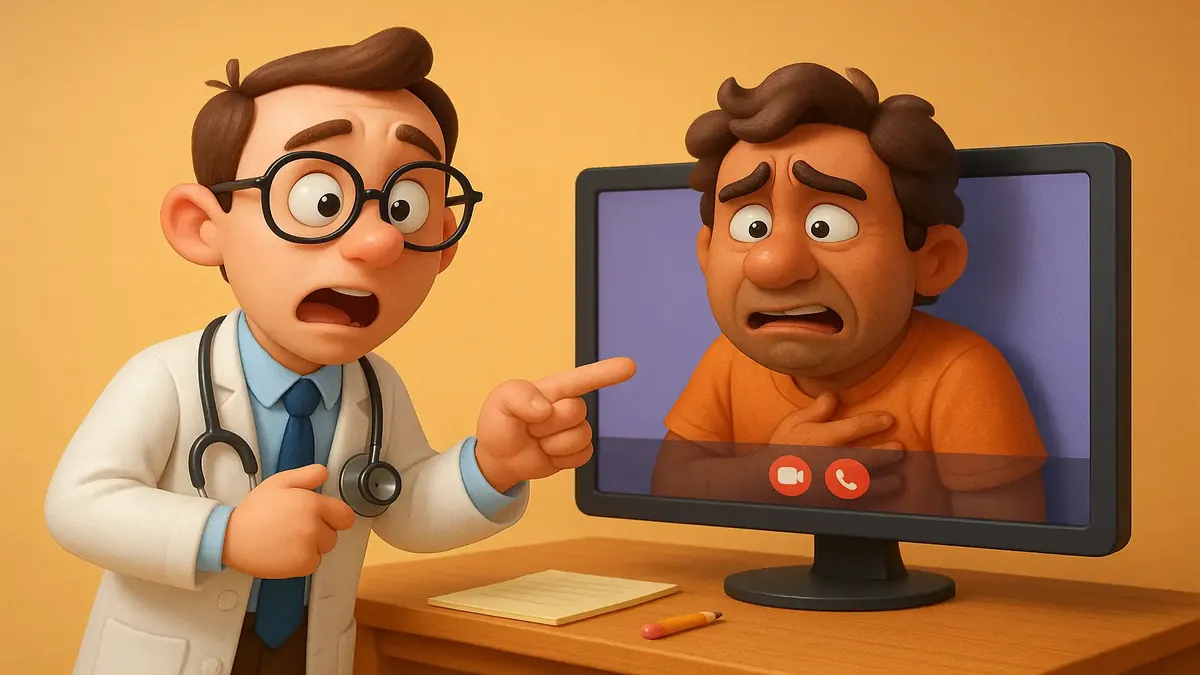
“Have you tried turning it off and on again?” is the classic IT refrain. But what if, in the middle of troubleshooting a stubborn password reset, you found yourself diagnosing something far more serious—like a stroke? That’s exactly what happened to one unsuspecting IT pro, who went from resetting passwords to saving a life, all in the span of a single helpdesk call.
If you’ve ever worked in tech support, you know the drill: Users forget passwords, laptops misbehave, and sometimes the real issue is a loose cable. But what if the problem isn’t the hardware or the user’s memory, but a medical emergency quietly unfolding on the other end of the line?
When IT Support Gets Real: The Call That Changed Everything
The story, originally shared by u/AnonymousTechGuy6542 on r/TalesFromTechSupport, begins innocently enough: A remote salesman calls in, unable to log into his laptop. The IT hero of our tale does what any seasoned support agent would do—resets the password, walks the user through the process, and waits on the line to confirm success (because, as every techie knows, hanging up too soon is a surefire way to jinx it).
But something’s not adding up. Despite multiple attempts, including carefully spelling out the new password and even texting it to the user, nothing works. The IT pro pulls out a few tricks—remotely rebooting the machine, logging in as admin, and confirming all the systems are running smoothly. Still, the user can’t log in.
That’s when things get weird. Watching the remote session, our IT hero notices the user isn’t even typing in the password field—he’s flailing around in the username box, mangling his email with a flurry of plus signs and random keystrokes. The user is stuck in a loop, correcting and re-correcting, but making things worse each time.
Beyond the Blue Screen: The Human Side of Tech Support
At this point, many would chalk it up to user error, mutter something about “PEBKAC” (Problem Exists Between Keyboard And Chair), and escalate the ticket. But our protagonist does something remarkable: He listens—really listens—to the user’s voice. There’s a slight slur. The user mentions a fever but assures everything is fine. Yet the confusion and slow, deliberate typing say otherwise.
“Do you know you’ve been trying to type your email address for ten minutes?” the IT pro asks. The user is genuinely surprised—almost impressed. Conversation grows more disjointed, with misplaced words and increasing incoherence. Alarm bells ring. Is this user drunk? Exhausted? Or is something medically wrong?
Here, the story takes a life-saving turn. Instead of dismissing the user’s struggles, our IT hero contacts the branch manager, urges her to check on the user, and suggests a possible stroke. The manager rushes to the scene and quickly realizes the gravity of the situation. The user is whisked to the hospital, just in time.
Lessons from the Community: Compassion Over Protocol
Reddit’s response was swift and heartfelt. “You are a genuine hero—well done,” cheered u/Mavises, echoing the sentiment of many who praised the IT pro’s quick thinking and humanity. As u/cofclabman pointed out, “That would have been very easy to miss remotely and time to respond for a stroke is super important.”
Others, like u/Wonderful-Cup8908, shared personal regrets about missing stroke symptoms in loved ones, driving home how easy it is to overlook the signs—especially when they stray from the textbook “FAST” (Face droop, Arm weakness, Slurred speech, Time to call 911) criteria. “There are so many signs of stroke,” noted u/insufficient_funds, recounting how their own father’s symptoms looked nothing like those taught in first aid classes.
Commenters also highlighted the emotional toll of these moments. u/Trin959 summed it up: “The temptation to just get frustrated and dismiss the User must have been enormous. Compassion can make a difference even in tech work.” The story resonated with those who knew firsthand that sometimes, the most important troubleshooting skill is simply caring enough to look past the screen.
Tech Support: Sometimes, It’s More Than Just Tech
A few weeks later, the original poster received confirmation: The user had indeed suffered a stroke but survived, thanks to fast action. After some time on medical leave, the salesman returned to work—still struggling a bit with typing, a stark reminder of just how high the stakes were. “He had no memory of that entire morning until he was in the hospital later that day,” the IT pro recalled, sharing how relieved he was at the user’s recovery.
This story isn’t just about IT or medical emergencies—it’s about the power of patience, empathy, and human connection in a world where it’s all too easy to get lost in the noise of technical problems. As u/joerice1979 put it: “Top tier support there, never should we be afraid of looking after people.”
Conclusion: The Human Touch Behind the Helpdesk
So, the next time you’re tempted to grumble about a forgotten password or a “hopeless user,” remember: You never know what’s really happening on the other end of the line. Sometimes, the real fix isn’t a reboot or a password reset—it’s listening, connecting, and caring enough to notice when something’s truly off.
Have you ever encountered a moment where your job unexpectedly called on your humanity? Or maybe you’ve been on the receiving end of a well-timed act of compassion? Share your stories in the comments below—because sometimes, the best kind of troubleshooting happens when we look beyond the screen.
Original Reddit Post: Not the kind of diagnosis I usually do...