How One Call Center Employee Beat the Heat—and Dress Code—With a Kilt
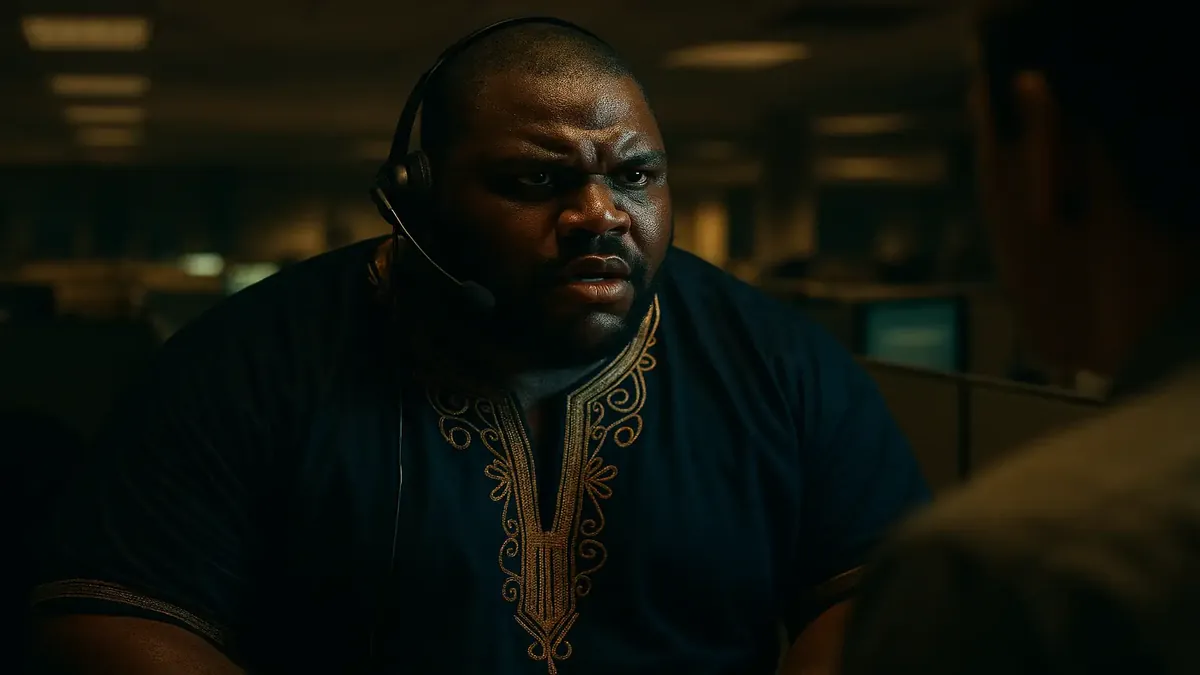
Picture the scene: the dog days of summer, a struggling office A/C, and a call center full of sweating employees. Now imagine being a 6’5”, 300-pound guy, built like an NFL lineman, forced to endure this sauna in business attire. What would you do if management banned personal fans but insisted on long pants? For one Redditor, u/AdorableSun563, the answer was simple, stylish, and steeped in tradition: Don a kilt and let the breeze (and the drama) commence.
This episode of workplace rebellion, chronicled in r/MaliciousCompliance, struck a chord with thousands—both for its cleverness and for the wild, often nonsensical world of office dress codes. Grab your tartan, pour a cold drink, and let’s dive into one of the classiest acts of workplace compliance you’ll ever read.
When Dress Codes Get Sweaty: The Setup
The story opens at the magenta-branded cellular phone company’s call center in 2012. The air conditioning was fighting a losing battle against the heat, and our protagonist—whom we’ll call “The Highlander of Cubicle Row”—was melting. When management decreed that all personal fans (and heaters) were forbidden, it seemed like a cruel joke. The employee handbook, meanwhile, was clear: “Men must wear pants/slacks, collar shirts and no open toe shoes.”
No shorts, no fans, no relief. But the rules didn’t mention kilts. So, with the kind of stoic bravery usually reserved for facing English invaders or HR managers, our hero arrived the next day in a kilt, dress socks, and a button-down shirt.
The Kilted Stand-Off: Malicious Compliance in Action
It didn’t take long for a manager to intervene. “You can’t wear that,” she protested, pointing at the kilt. But the Highlander was ready: “This is part of my heritage. In fact, it is proper business attire.” When the manager tried to escalate, he insisted on speaking with HR.
Here’s where the story goes from amusing to heartwarming. The HR rep, described as “awesome in every way,” took one look and lit up: “Nice Kilt! It looks great!” The manager tried to cite the “pants only” rule, but HR sent the kilted crusader back to his desk with a smile—and, later, the manager returned with an apology. From that day on, the kilt was never questioned.
The Comment Section: Where Call Center Workers Unleash
Reddit’s response was a mix of applause, commiseration, and snark. As u/Just_Aioli_1233 quipped, “It’s a fucking call center. Zero customers to show off for. I don’t get people.” The consensus? Dress codes in non-customer-facing jobs are often about control rather than professionalism. u/JoyReader0 shared a similar tale: “We were in a separate building, never seen, working in dirt and cracked plaster, but By Ghod we had to wear suits to gratify the prissy vanity of a sub-sub-sub manager.”
Others lamented how such dress codes made it hard to retain talent, with u/Briloop86 recalling being written up for wearing formal brown shoes instead of black—at a minimum wage call center! The real gem, though, is how the kilt became a rallying cry for workers everywhere tired of arbitrary rules. “We had a guy wear a full formal dress kilt to a company dinner. He was definitely the best dressed,” added u/Heathster249.
Of course, kilts invite certain classic questions. “So what do you have on under your kilt?” asked u/Tony_Penny, channeling the age-old joke. (For the record, our hero [OP] clarified that, working in a call center, he played it safe—no regimental breezes here.)
Kilts, Comfort, and Corporate Absurdity
Beyond the laughs, many commenters highlighted the practicality of kilts. Don’t they get hot? Not necessarily. As [OP] and others explained, traditional kilts use lightweight, breathable wool, and summer kilts are made from even lighter fabrics. u/Narrow_Employ3418 dropped some textile science: “Wool isn’t ‘warm,’ it’s insulating…keeps cold and heat out…wool has formidable moisture management, and a kilt is both open and worn without anything underneath.”
The real lesson here? When companies get rigid about dress codes—especially in roles with zero public contact—employees will find creative (and sometimes hilarious) ways to comply. As u/DippinDot2021 vented, “We had rules for what attire we could wear. Couldn’t wear hoodies, for whatever reason. Despite that we NEVER saw the public in any way shape or form.”
Conclusion: The True Meaning of Professionalism (and a Good Laugh)
What’s the moral of the story? Sometimes, the best way to deal with overbearing rules is a little clever compliance—and a dash of heritage. Whether it’s a kilt, a wild tie, or even a battery-powered fan, employees have a long history of poking holes (and air vents) in the fabric of corporate control.
So next time your office thermostat is set to “lava” and HR is wielding the dress code handbook, remember: There’s always a loophole—and maybe even a tartan one.
Have your own tale of workplace dress code rebellion? Drop your story in the comments below—bonus points if it involves kilts, fans, or other creative compliance!
Slàinte mhath, cubicle warriors.
Original Reddit Post: You want to deny my Heritage?