The 4D Chess of Free Breakfast: Why Outsmarting Hotel Staff Never Works
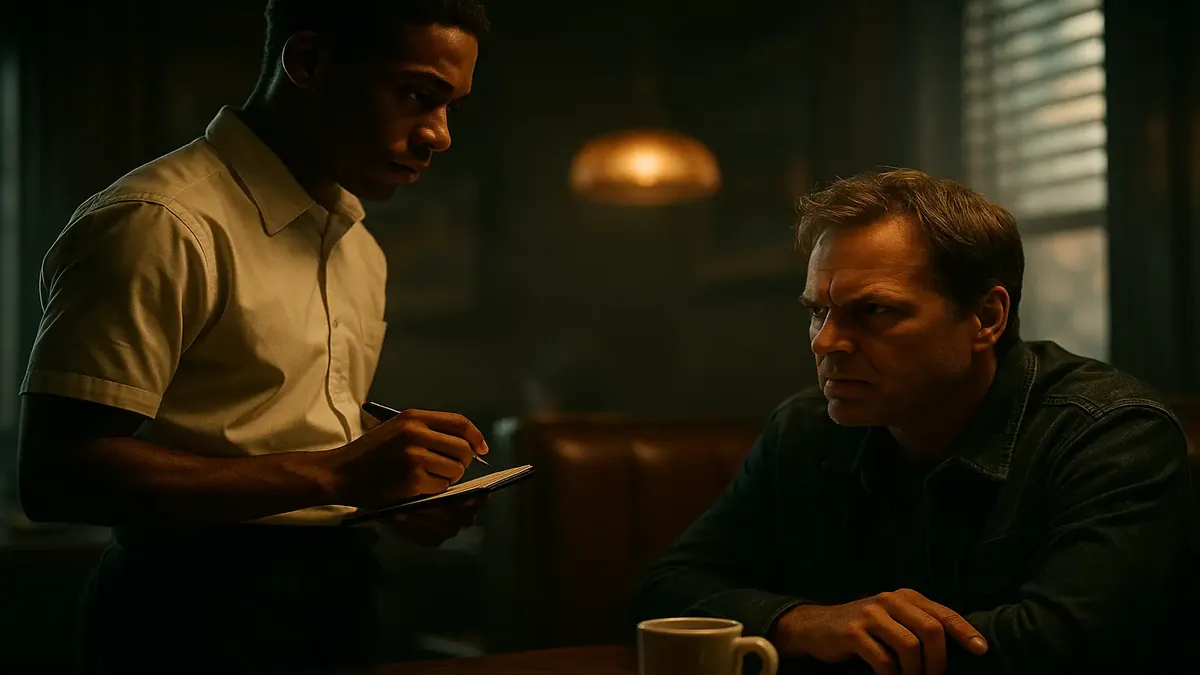
Picture this: You’re on vacation, the smell of hotel coffee wafting through the air, and all you want is a free breakfast for your entire family. But there’s a catch. The breakfast policy says only two people per room get the golden ticket. Some accept it. Others—let’s call them the “Chessmasters” of hospitality—see this as the opening gambit in a heated match of wits with the staff.
But here’s the twist: the game is rigged, and the house almost always wins. Or at least, the house always remembers.
The Breakfast Buffet Showdown: Meet the Chessmaster
Enter our protagonist: a family man with the glint of strategy in his eye, approaching the front desk in search of breakfast loopholes. As detailed in a popular Reddit post on r/TalesFromTheFrontDesk, this guest wasn’t just making polite inquiries—he was running a full-on interrogation, circling the hotel’s newbie staff member with rephrased questions, hoping to trip her up and score free meals for his whole party.
Little did he know, the front desk team was ready for his 4D chess moves. The staff explained, as they always must, that the prepaid breakfast package only covers two guests per room—no matter how many people you’ve crammed in. More nights? More vouchers, but still two per room, per day.
But the Chessmaster had a “brilliant” plan: collect all his vouchers upfront and try to use them at once, hoping to feed his entire crew in one breakfast bonanza. The staff, however, were seasoned veterans of the Voucher Wars. They quickly alerted the restaurant about his maneuver, and the breakfast team braced themselves.
Manipulator Tool Belts and Customer Service Olympics
This isn’t just about eggs and toast—it’s a phenomenon every service worker knows too well. As u/Intelligent-Pie-338 insightfully pointed out in the comments, some customers treat these exchanges like “manipulator tool belts”—using confusion, exhaustion, and repetition to wear down staff until someone caves. It’s less about needing breakfast and more about feeling victorious in a game only they are playing.
And why do they keep trying? Because sometimes, as the comments noted, it works—especially when “spineless manglement” (as one hilariously phrased it) would rather say yes than deal with a scene. But for every customer who scores a free omelet, there are dozens who walk away defeated, leaving staff (and everyone waiting in line behind them) more frazzled than before.
As u/SkwrlTail put it, “People are convinced that ‘no’ means ‘maybe, if you know how.’” Too many travel tips and viral “one weird trick” videos have convinced the public that every policy is just a puzzle waiting to be unlocked. But as the OP clarified, “If the answer is no...then the answer is no.”
The Secret: Be Nice (It’s Not That Hard!)
Here’s the real magic: the “one trick” that actually works. It’s not about asking the same question a dozen ways or trying to out-logic the staff. It’s about being nice. “Want to know what the real One Trick is?” asked u/SkwrlTail. “Be nice. Treat hotel staff like human beings and we will move mountains to help. But we can only do so much, so if it’s a no, then don’t push it.”
Many commenters agreed, sharing stories of how kindness—not cunning—often led to small exceptions or creative solutions. As u/BitchLibrarian explained, asking politely and privately, while making it clear that a “no” won’t cause a meltdown, is the golden key. If there’s room to help, staff will help. If not, at least you haven’t made everyone’s morning worse.
But the Chessmasters? They’re remembered for all the wrong reasons. “Because of the way Accounting and the Restaurant have set-up their policy,” the OP [u/ScenicDrive-at5] explained, “if he were to combine the vouchers, that voids the policy and we’d have to bend and break it for everyone else.” And let’s face it—nobody wants to reward a guest who’s treating every staff interaction like a courtroom cross-examination.
The Comedy (and Tragedy) of the Customer “Haggle”
In the end, what’s it all for? As u/sansabeltedcow observed, some guests treat every rule as an invitation to haggle: “If half an hour of arguing gives them 25 cents worth of extra breakfast, they’re thrilled with what they view as a victory.” Most of us would rather enjoy our trip than spend it on small-stakes mind games.
And for anyone stuck in line behind the Chessmaster, solidarity abounds—several commenters joked about the universal pain of being delayed by a guest who thinks every desk clerk is a final boss to be defeated.
The best part? Staff are always talking. Whether it’s a note in the system or a quick call to the restaurant, as u/LutschiPutschi gleefully shared, there’s nothing quite like the “WTF? They are talking to each other?” face when a guest realizes their scheme isn’t as original as they thought.
Conclusion: The Real Power Move
So, what’s the real winning strategy in the game of hotel breakfasts and customer service? Treat staff with respect, accept the rules, and remember that a little kindness goes a long way. As the OP and many commenters agreed, the policies might not always make sense, but the people enforcing them are just doing their jobs—often with a sense of humor and a well-honed radar for shenanigans.
Next time you’re tempted to play 4D chess with a service worker, maybe just stick to checkers—and say “thank you” for the pancakes.
How about you? Ever witnessed a “Chessmaster” at work, or found yourself on the receiving end of some creative customer tactics? Share your stories below!
Original Reddit Post: Stop trying to 'outsmart' service workers