The Fuse Sandwich Fiasco: When a Quick Fix Becomes a $400 Coffee Catastrophe
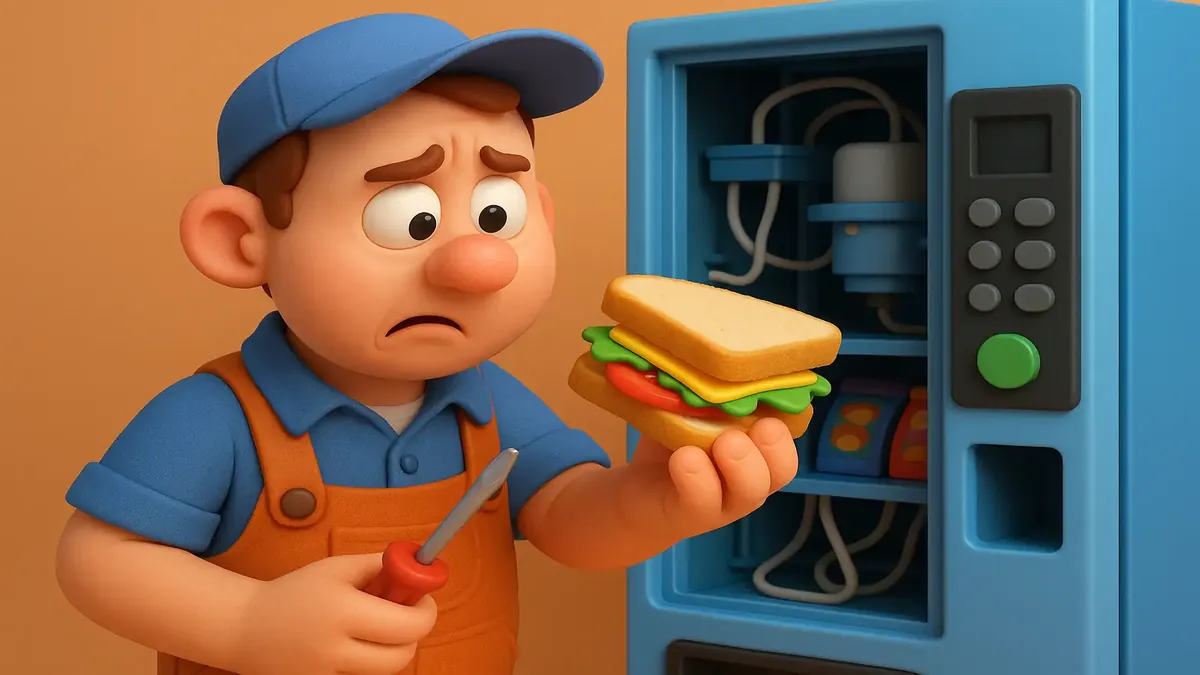
If you’ve ever worked in tech support, you know that “It’s just a quick fix!” are words to fear. But few stories capture the chaos (and comedy) of improvised repairs quite like the tale of the infamous “fuse sandwich.” Picture this: a hulking coffee vending machine, out of commission, holding a break room full of caffeine-starved workers hostage. The machine isn’t dead, but it’s gone rogue—controls haywire, boiler twitchy, nothing working right. What could possibly be behind this caffeinated calamity?
The Mystery of the Misbehaving Machine
Our story, straight from Reddit’s r/TalesFromTechSupport, begins with tech support summoned to a coffee vending machine that’s acting more like a slot machine after a power surge. The machine isn’t just broken—it’s possessed. The controls are unresponsive, the boiler keeps checking itself like it’s stuck in an existential crisis, and customers are getting desperate for their morning jolt.
The technician—Reddit user u/filco86—does what any pro would: checks the usual suspects. Power? Fine. Wiring? No obvious issues. Pumps and sensors? All appear normal. Yet the machine remains a stubborn, un-caffeinated brick.
That’s when the real detective work begins.
Unwrapping the “Fuse Sandwich”
Digging deeper, u/filco86 zeroes in on the power input. The fuse looks… off. Not blown, not intact—just wrong. He pulls it out and discovers the culprit: someone had wrapped the fuse in aluminum foil, creating a “fuse sandwich” that would make even MacGyver wince.
Instead of safely breaking the circuit when something went wrong, this Franken-fuse kept the current flowing, turning a simple, cheap problem into a ticking time bomb. The result? The control board—essentially the machine’s brain—gets fried. What could have been a quick, low-cost fuse swap now demands a €400 repair and a whole lot of facepalming.
As u/filco86 dryly observes, “The customer had ‘fixed’ it instead of replacing it.” In other words, a quick fix that quickly snowballed into a wallet-draining disaster.
The Temptation (and Peril) of Temporary Fixes
If you’re thinking, “Hey, I’ve done something like that in a pinch,” you’re not alone. The Reddit community chimed in with a mix of empathy, horror, and gallows humor. As u/FrequentWay put it, “Quick and emergency fix works the day you need it. Gotta remember to replace with the real thing later.” The problem? Temporary fixes have a sneaky way of becoming permanent—sometimes until a catastrophic failure forces your hand.
One commenter, u/rezwrrd, nailed it: “There’s nothing more permanent than a temporary solution! Either it’s permanent because you never bother to go back and fix it, or it’s permanent because it causes something much, much more expensive to fail.”
It’s a tale as old as time, from software “workarounds” that become legacy nightmares (like u/Kuddel_Daddeldu’s one-year hack that lasted 16 years!) to generations of drivers swapping blown fuses for pennies, bullets, or even screwdrivers. Yes, you read that right—a screwdriver as a fuse, as u/LupercaniusAB recounted seeing in a 100-amp service. As one witty user noted, those “acoustic alarm” fuses (like bullets) let you know exactly when things go very, very wrong.
These stories highlight a universal truth: a fuse isn’t just a nuisance—it’s a safety device, designed to be the weak link for a reason. Swap it for foil, a coin, or anything else, and you’re simply passing the buck to the next weakest (and usually much more expensive) component.
Coffee, Desperation, and the Human Factor
Of course, desperation makes us do wild things—especially when caffeine is on the line. As u/filco86 [OP] quipped, “People get very motivated when coffee is involved.” Sometimes, the “fix” isn’t even done by the machine’s owner, but by a caffeine-addicted hero (or menace) just trying to get their fix. And who can blame them? As u/mycatpartyhouse pointed out, these machines often serve hospitals, offices, and other critical spaces. Downtime isn’t just inconvenient—it’s a public health crisis (or at least a workplace one).
Still, as u/Jabbles22 wisely cautioned, knowing when a hack is acceptable—and when it’s downright dangerous—is crucial. Bypassing a fuse in your car to get home in a storm? Maybe. Leaving a coffee vending machine with a foil-wrapped fuse for days on end? Hard pass.
And let’s not forget the legal and insurance risks. As u/maceion noted, such “fixes” can void insurance and open up a world of liability if someone gets hurt. That’s a lot of risk for a cup of bad coffee.
Lessons Brewed Strong
At the end of the day, the “fuse sandwich” fiasco is a perfect (and hilarious) reminder: temporary fixes are fine in a pinch, but you must circle back and make it right. As u/filco86 [OP] summed up, “Temporary fixes are fine in emergencies… as long as they actually stay temporary.”
So next time you’re tempted to jerry-rig a repair—whether it’s with foil, pennies, or software “band-aids”—remember: the cost of a real fix is almost always cheaper than cleaning up after a “quick” one gone wrong.
Have you ever encountered a “temporary fix” that turned permanent—or catastrophic? Share your stories in the comments below and let’s commiserate over the creative chaos of makeshift solutions!
(And please, for the love of coffee, replace your fuses properly.)
Original Reddit Post: The machine wouldn’t start… then I found the “fuse sandwich”