When Safety Checklists Backfire: The Hilarious Tale of Forklifts, Paperwork, and Malicious Compliance
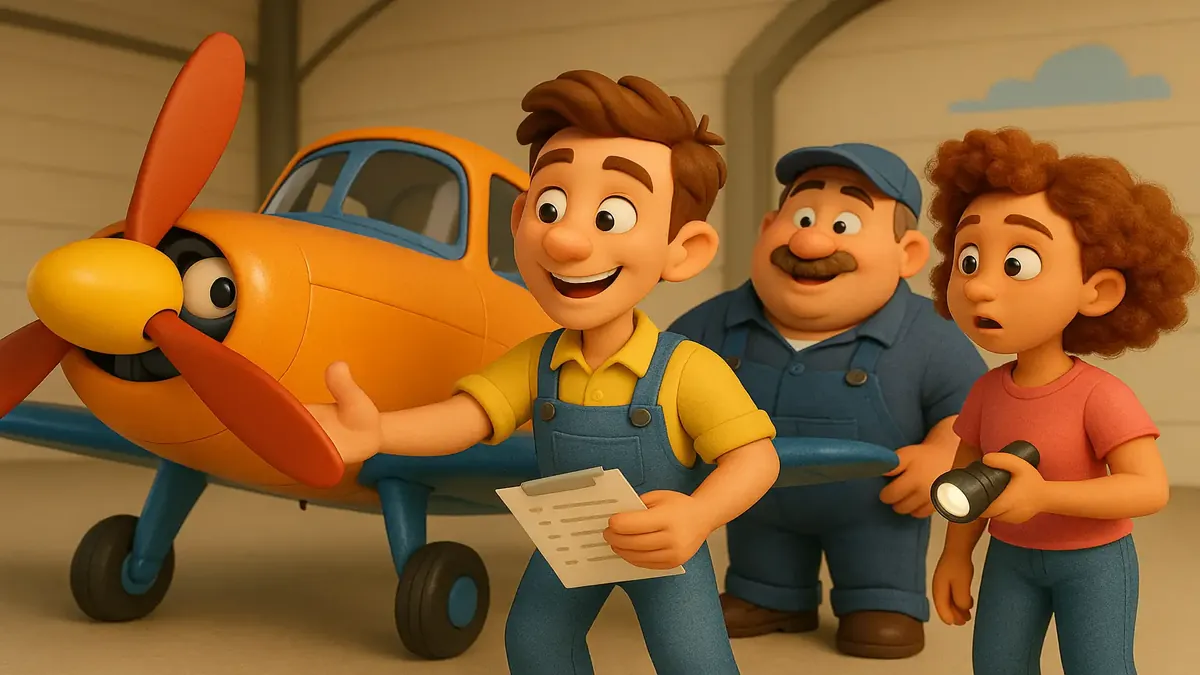
Sometimes, the best intentions pave the way to the most spectacular workplace shenanigans. That’s exactly what happened when one company’s attempt to boost forklift safety via a brand-new, ultra-thorough checklist collided with a crew of workers—and a Redditor with a talent for “malicious compliance.” The result? A comedy of errors, a warehouse in chaos, and an office full of frantic managers.
But this isn’t just a story about paperwork gone wild. It’s also a peek into the real world of workplace safety, the push-pull between management and staff, and what happens when “Safety First!” meets “Productivity Now!”—with a heap of community wisdom (and snark) thrown in. Buckle up for a ride through checklists, compliance, and forklifts with more issues than a tabloid magazine.
Paperwork Pandemonium: The Checklist That Stopped the Line
It all started, as so many “brilliant” workplace ideas do, with an incident at another site. Management, in its infinite wisdom, decided to introduce a mandatory, sign-off safety checklist for every piece of equipment used—without actually providing guidelines for what to check. Cue the collective groans and the inevitable delay while Occupational Health & Safety (OH&S) “crafted” (read: Googled) some checklists.
Enter Redditor u/Ich_mag_Kartoffeln, freshly back from vacation and handed a whopping 35-point pre-use forklift inspection. And here’s where the fun begins: If you’re going to sign your name to a document saying you checked every nut and bolt, you’d better believe you’ll check every nut and bolt—even the ones the maintenance team only looks at during quarterly service.
It took over 90 minutes and four out-of-service forklifts before our diligent hero found a machine that passed muster. The warehouse didn’t grind to a halt, but the shift manager was forced to abandon his coffee and actually do some work. (“The horror! How is he supposed to finish his coffee :p” quipped u/bobowhat.)
When Malicious Compliance Goes Viral
News of this dogged inspection routine spread like wildfire. By Monday, everyone was following the letter of the new law. Forklifts dropped like flies; some departments were forced to pause operations entirely. When supervisors demanded to know when work would actually start, they got the same answer: “When I’ve finished checking this forklift over.”
Workers parroted back management’s favorite safety slogans with a healthy dose of sarcasm: “There’s always time for safety.” “Safety is no accident.” One commenter, u/zephen_just_zephen, joined the fun: “Whenever anybody starts with this sort of platitudinous bs, I always say, in a bright chipper voice, ‘Safety second! Quality is job three!’”
By Tuesday, the domino effect reached its peak: multiple areas were idle as everyone did their thorough checks. Managers, shop stewards, and just about everyone with a clipboard came out for crisis talks. By Wednesday, the new regime was “paused” for “teething issues”—never to be resumed.
Community Wisdom: The Good, The Bad, and The Hilarious
Reddit’s comment section became a goldmine of insight, debate, and dry wit.
Some, like u/Bald_Harry, wondered why dedicated maintenance staff weren’t tasked with these exhaustive checks. OP clarified: mechanics did regular servicing, and drivers did basic pre-shift inspections—until the new policy demanded a full mechanical once-over every morning.
Others, like u/Chuck_the_Elf, pointed out that this wasn’t even “malicious” compliance—it was exactly what true safety required, and that shelving the policy was “flat out unethical.” As u/Farfignugen42 observed, “You let the minor issues go too long, and the next thing you know, they are not minor issues anymore.”
But the reality of production deadlines and cost-cutting soon reared its head. As OP noted, “The only reason it wasn’t rolled out was because it was costing a lot of time. And time is money!” There’s a reason one community member, u/CoderJoe1, joked: “‘Safety is our #1 priority!!!’ As long as it doesn't cost time or money.*”
Several commenters with industry experience chimed in: real-world pre-use inspections should take 5-10 minutes (not 90!), and checklists should be practical, not a CYA exercise that shifts all risk onto frontline workers. As u/enygma999 lamented, “Annoying that management didn't compile the checklist in cooperation with those actually doing the checks.”
And, in a delightful twist, the legal eagles and safety nerds surfaced with reminders that OSHA (and equivalents) do require daily checks—just not necessarily 35-point manifestos. “Technically, there is no requirement to document the check, but if OSHA asks...they have no proof without a checklist. It’s one of the most common OSHA citations,” explained u/LanMarkx.
Safety First…But Not If It Slows Us Down
So what’s the moral of this story? When management introduces a new safety policy without consulting the people who actually do the work, the results can be both hilarious and disastrous. The community consensus: real safety comes from a mix of common sense, practical checks, and a culture where concerns are addressed—not from performative paperwork or ticking boxes for liability’s sake.
As OP and many commenters agreed, the “paused” checklist never returned. Workers went back to their basic checks—enough to catch real issues, not enough to grind the place to a halt or leave anyone signing off on things they weren’t qualified to assess. The forklifts rolled on, slightly safer (and with a few more hoses inspected than usual).
So the next time you hear “Safety is no accident,” remember: real safety isn’t about slogans or paperwork. It’s about listening, learning, and making sure everyone gets home in one piece—even if it means your coffee goes cold.
What’s your take? Have you ever seen a well-intended policy turn into workplace chaos? Got a story about “malicious compliance” that made your boss lose their cool? Share your experience in the comments below!
Original Reddit Post: Pre-checks are very important