When the New Boss Banned Overtime and Sank the Ship: A Hilarious Lesson in Malicious Compliance
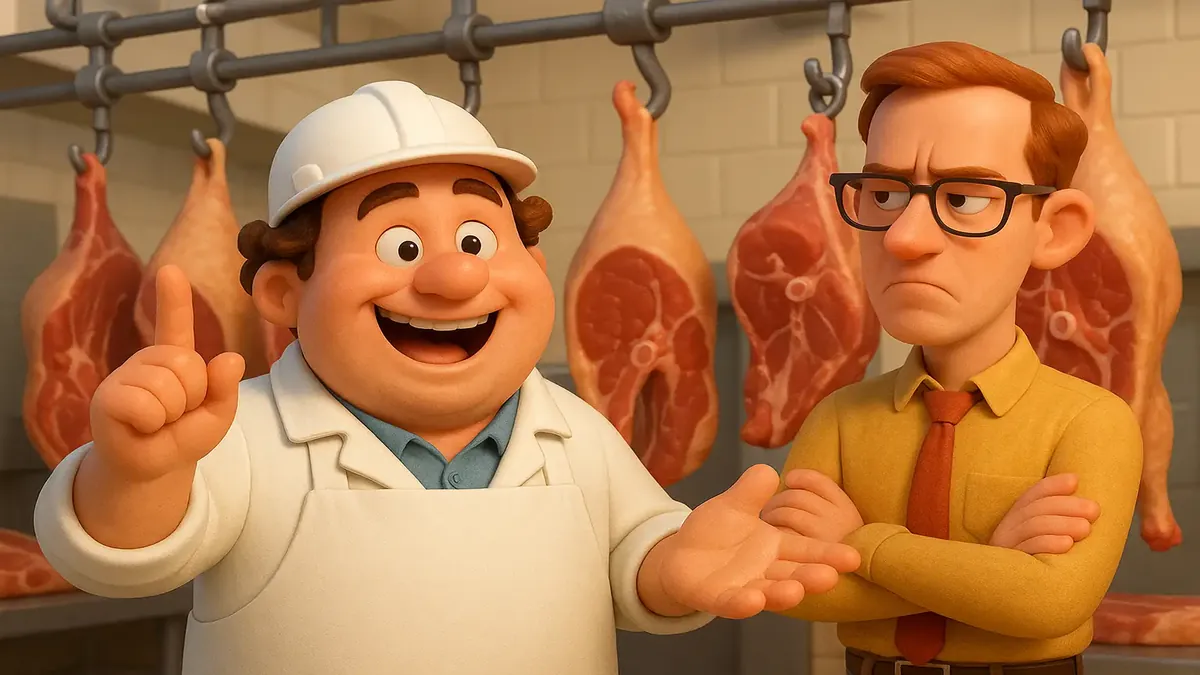
You know that feeling when a new boss storms in, chest out, ready to reinvent the wheel—only to immediately pop all four tires on the company bus? Welcome to the meat packing plant where Bob, a fresh-faced production manager with an engineering background, decided to “right the ship” by banning overtime. Spoiler: the ship was already cruising just fine, and Bob accidentally punched a $120,000 hole in the hull on day one.
This is the tale of how one manager’s ironclad “no OT, no exceptions” decree led to a delicious serving of malicious compliance, a factory floor in chaos, and some of the best workplace wisdom Reddit has to offer.
When “No Overtime” Meets Reality
Bob, our protagonist (or perhaps antagonist?), didn’t bother with subtlety. On his first day, he declared there would be no more overtime—period. Not for sick calls, not for vacations, not for anything. As the original poster (u/CrazyEhHole) notes, this wasn’t just micromanaging; it was willful ignorance. The plant had 220 employees, with OP directly overseeing 70. On any given day, they expected around seven sick calls and even more on vacation or leave. Simple math: You’re always short-staffed, and overtime is the glue holding the operation together.
One last plea to Bob for sanity was met with a flat “No OT! No exceptions!” So, OP followed orders to the letter. Come Monday, two production lines didn’t run. “Is it mechanical downtime?” Bob demanded. Nope—just no humans to run the machines, boss. His solution? Yell, storm off, and order “get some people in here!” Too late. The company lost $120,000 in a day. As OP’s long-tenured boss put it: “I thought engineers were supposed to be smart?” The Redditor’s laughter could practically be heard through the screen.
The Reddit Peanut Gallery: Wisdom from the Trenches
If there’s one thing r/MaliciousCompliance loves, it’s a managerial faceplant. But the comments on this saga go beyond schadenfreude. There’s some real workplace gold here.
First, the “never change things on day one” rule. As u/HamiltonPanda wryly observes, the biggest MC lesson is “never change things until you’ve worked there for a long while!” Others, like u/DigitalStefan, double down: “When you join any team, even if you’re the expert, you keep your damn mouth shut for at least a month.” And forget about “At my last place we did…”—that’s a one-way ticket to the respect dumpster.
The military crowd chimes in, too. u/Old_and_tired shares that the best officers just ask questions and observe for months before making changes. “I work for you, you don't work for me,” was their motto. The consensus? Listen first, lead second.
Why Overtime Exists—and Why Bob’s Math Didn’t Add Up
A few commenters did give Bob a sliver of credit: maybe OT is a symptom of understaffing. As u/Buddy-Matt notes, “If you can predict you’ll be on average 17 people down a day as a department, you should be employing 17 additional people and not relying on OT.” But OP [the original poster] sets the record straight: with high turnover, brutal conditions (cold, wet, monotonous), and new hires dropping like flies, hiring extra staff is easier said than done. As u/TheSquishedElf shares, “10% sick on any given day sounds about right… the work’s physically demanding and often dangerous.” In meat processing, just keeping the lines running is a small miracle.
And, as u/bardmusic points out, “OT is likely cheaper than paying for health insurance, sick and vacation, and other expenses you take on when you hire a new employee.” The “just hire more people” crowd runs into the brick wall of real-world HR budgets and retention nightmares.
The real kicker? Down the road, OP confirms they did eventually staff up to reduce OT—but only after learning the plant’s unique challenges. As several commenters summed up: the problem wasn’t the goal of reducing overtime, it was Bob’s “from-the-hip” approach, his lack of understanding, and his failure to listen.
Don’t Be Like Bob: Change Management Lessons from the Meat Locker
Reddit’s collective wisdom is clear—good leadership starts with humility. As u/DiaBimBim_CoCoLytis described, the best way to lead a production line is to meet every worker, ask how you can help, and make changes based on their lived experience. “Be a leader, not a boss.”
And then there’s the Chesterton’s Fence Principle, invoked by multiple commenters: Before tearing down a fence, ask why it was built. Or, as u/whatsaquince put it succinctly: “Don’t be like Bob.”
Finally, a favorite from u/PoorlyShavedApe: “There is a big difference between ‘smart’ and ‘wise.’” Bob may have had the engineering credentials, but wisdom? Not so much.
Conclusion: A Recipe for (Dis)aster—or for Success?
In the end, Bob lasted three months. His “no overtime” crusade was a textbook example of how not to manage change—or people. Whether you’re running a meat plant or a tech startup, the lesson is clear: observe, listen, and understand before you try to “fix” things. Or, as the Reddit hive mind reminds us, “If it ain’t broke, don’t fix it.”
So, have you ever worked for a Bob? How did it go? Share your stories, lessons, or management horror tales in the comments below—bonus points if it involves meat, overtime, or fences that should have been left alone.
Original Reddit Post: Zero OT? You got it