The High-Stakes Gamble of Non-Refundable Hotel Reservations: Tales from the Front Desk
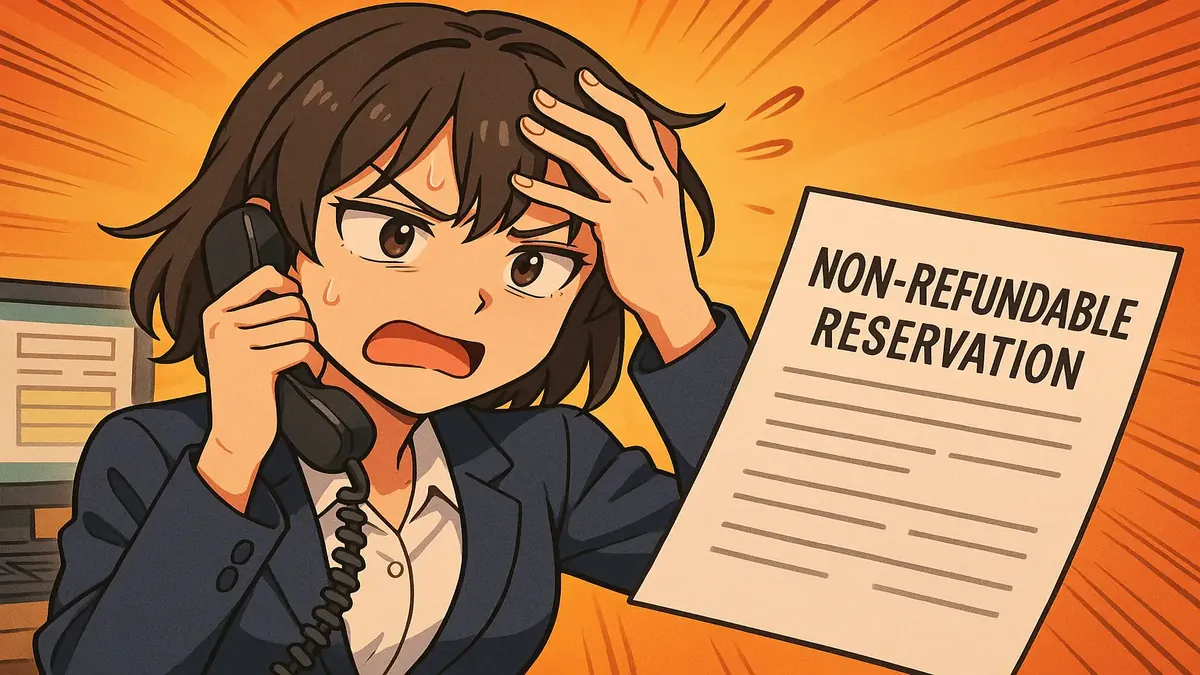
Picture this: You’ve scored a sweet hotel deal, clicked through the checkout, and basked in your thriftiness—only to realize, weeks later, that life has other plans. Now you’re on the phone with the hotel, pleading for a refund on that non-refundable rate. Sound familiar? If so, you’re not alone—hotels everywhere are inundated with these calls. And for the front desk staff, it’s a never-ending episode of “Let’s Make a Deal”—but with much less confetti and a lot more exasperation.
Today, we venture behind the front desk with a viral Reddit post from r/TalesFromTheFrontDesk, where one hotel manager shares their weekly ritual: breaking the news that no, “non-refundable” doesn’t mean “refundable if you ask nicely.” And the stories, reactions, and memes from both staff and travelers might just change how you book your next trip.
The “Non-Refundable” Conundrum: Rules, Risks, and Regrets
Let’s cut to the chase: non-refundable hotel rates are everywhere. They’re usually cheaper, but there’s a catch—the deal is final. As the original poster (u/Big_Air3392) explains, hotels plaster warnings about non-refundable rates in “big font” at every step. Yet, week after week, the calls keep coming: “I need to cancel my reservation—can I get a refund?”
Why do guests still try? Some, like u/BobBelcher2021, have learned their lesson: “Ever since the pandemic, I only book fully refundable reservations at hotels. If there’s no refundable option, then the hotel doesn’t get my business.” Others, as u/TellThemISaidHi quips, are “going through all of this trouble because [they] wanted to save 7 bucks?”
It’s a classic case of risk versus reward. You save some cash upfront, but if plans fall through, your money is gone. That’s not fine print—that’s the entire point of the deal.
The Sympathy Dilemma: Emergencies, Excuses, and Emotional Appeals
Front desk staff aren’t robots, and the post makes it clear: “I understand that emergencies happen. Plans change. Life happens.” From broken legs to family crises, the stories can be heart-wrenching—or suspiciously convenient. As u/duckguyboston observes, “It’s always the ‘we booked the cheapest reservation’ and assume we can talk our way out of it when we cancel.” Cue the parade of tragic tales: sick kids, hospitalizations, even deaths in the family.
But as u/Worlds_tipping1 bluntly puts it, “When a family member drops dead, I don’t give a [expletive] about eating, working, going anywhere or doing anything. I don’t care about the money, I don’t care about a hotel. These people are lying and or full of [it].”
It’s not that genuine emergencies never happen. Some travelers, like u/AmbientGravitas, share heartfelt stories: “The one time I requested a refund on a non-refundable room was for a week’s stay at a splurge hotel, only to have a close family member go into the hospital… The manager gave me the refund. That was the very last time I booked anything nonrefundable though!”
For staff, the real challenge isn’t the request—it’s being gaslit, guilt-tripped, or pressured into breaking policy. As OP says, “If you try to argue, misrepresent the facts, or gaslight your way into a refund, you’re making that much less likely.”
The Policy Tightrope: Exceptions, Third Parties, and the Art of the Ask
Here’s where things get spicy. Could the manager make an exception? Sometimes, yes—especially for extreme weather or loyal business travelers, as OP clarifies in the comments. But that’s the exception, not the rule.
And if you booked through a third party? Good luck. As u/Delicious_Ad_2070 details (while their manager was literally trapped in an elevator), third-party agents will “spam call us for about half an hour” demanding rule-bending. But hotels can’t just wave a magic wand: “If they’re so pissed, they can change it and pay for it, it’s literally that simple.”
Some commenters suggest creative solutions—like credit for future stays, or a limited window to rebook. But as u/KrazyKatz42 warns, guests have caught on and try to exploit loopholes: “Yeah, sorry but we’re onto you.”
Ultimately, as u/Pickles-1989 puts it, the extra cost for a refundable rate is “trip insurance or right to cancel insurance.” Or, as u/spidernole notes, “The first rule of insurance is no one needs it. Until they do.”
The Takeaway: Book Smart, Travel Wise
So what’s a savvy traveler to do? The Reddit consensus is clear: if you can’t stomach the risk, don’t book a non-refundable rate. Pay a little extra for flexibility, or invest in real travel insurance—especially if you’re booking big trips or can’t afford to lose out.
And if life does throw you a curveball? It never hurts to ask politely. But as u/upset_pachyderm recalls their mother’s wisdom: “You can always ask, but you have to be prepared to hear ‘no.’” Don’t try to game the system, and don’t shoot the messenger—remember, the front desk staff are following rules, not writing them.
In the end, non-refundable reservations are just that: non-refundable. They’re a gamble—sometimes you win, sometimes you lose. Just don’t be surprised when the house sticks to the rules.
Have you ever booked a non-refundable rate and regretted it? Or are you Team Refundable, no matter the price? Drop your best hotel booking tips—or wildest front desk stories—in the comments below!
Original Reddit Post: Non refundable reservations AGAIN