When Procedures Backfire: The $5,000 Breaker Flip That Launched a Thousand Facepalms
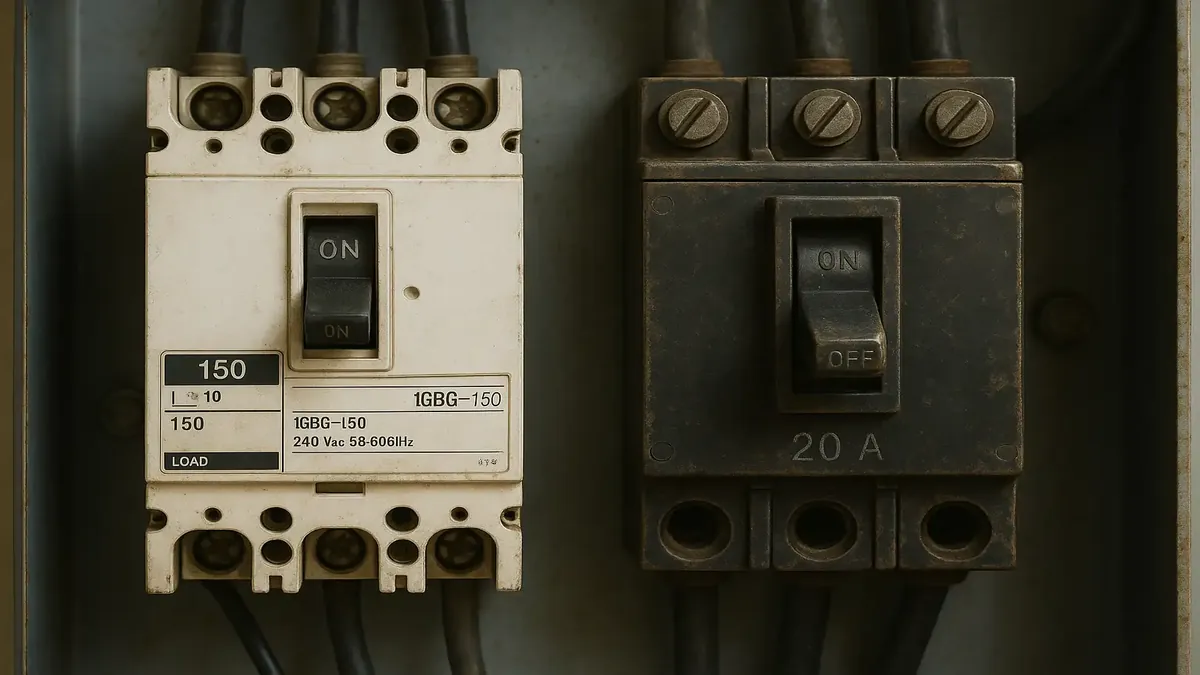
Picture this: You’re jet-lagged, caffeine-fueled, and 1,000 miles from home, all to rescue a massive industrial machine from the brink of disaster. You’re the tech support hero, flown in at great expense, ready to do battle with cryptic error codes and stubborn hardware. But as you don your safety goggles and climb the ladder, your expectations of a dramatic, high-stakes save are dashed by… a single, misplaced breaker. Welcome to the world of “procedure-driven” chaos, where the road to operational excellence is paved with expensive, head-smacking mistakes.
If you’ve ever worked in tech support or engineering, you know that sometimes the most costly problems have the simplest solutions. And sometimes, the real culprit isn’t a blown fuse or a fried circuit board—it’s a procedure that makes sense on paper, but absolutely none in practice.
The Long Road to Nowhere (Except a Breaker)
Our story, straight from Reddit’s r/TalesFromTechSupport (courtesy of u/Own-Cupcake7586), kicks off with a classic scenario: “Machine is down. Throwing error codes. Need someone ASAP.” The only catch? The machine is several states away, and the customer’s facility requires a mini boot camp just to set foot inside.
So, off goes our intrepid tech—planes, hotels, training, and a day spent theorizing with the customer about possible culprits. Armed with new parts and a list of likely suspects, day three finally brings hardware contact. The diagnosis: a stubborn brake refusing to release. So far, so typical.
But then, as our hero is perched on a ladder, a local operator chimes in: “Hey, should this breaker be off?” Cue the record scratch.
Procedure: Safety or Sabotage?
Here’s where things get spicy. The customer, in their “infinite wisdom,” had devised a process that required operators to climb onto the colossal machine, trek down a catwalk, and open the fourth electrical enclosure—twice per shift—to toggle a breaker. The theory? Forcing operators to do a physical walkdown, ensuring nothing gets missed. The reality? An accident waiting to happen.
As u/Schrojo18 astutely pointed out in the comments, “Breakers aren’t designed with the same actuation count as switches/isolators.” Regularly flipping a breaker, especially when buried in an enclosure, is both unsafe and unwise. As another commenter, u/Neumanium, noted from experience: “Using normal breakers all the time is a disaster waiting to happen… breaker failure even and arc flash depending on the current and voltage load.”
The kicker? During the design phase, the engineers actually suggested making the breaker accessible right on the cover. Easy, safe, and logical. But the customer insisted: “The process is procedure-driven. We’ll do it our way.” As u/spiritsarise dryly observed, there’s nothing quite so unyielding as “our procedure.”
The Price of Doing It “Our Way”
Fast-forward to our technician, three days and a four-figure travel bill later, staring at a breaker in the third enclosure—identical to the “official” one in the fourth. One flip of the switch and, voilà, the machine whirs to life. No parts needed, no heroic repairs. Just a silent lesson in the cost of inflexible procedures.
The Reddit community had a field day with this. u/RockyMoose shared a similar “pressed the button” saga, while u/atomicsnarl hoped the tech at least got per diem. (Spoiler: OP did—and even enjoyed a delayed flight.) Others, like u/tkguru8, suggested the customer’s wallet might have learned something, if not their process designers.
But the most biting insight came from u/leitey, who emphasized that “operators shouldn’t be in electrical enclosures. Only trained and authorized technicians.” The real danger wasn’t just inconvenience—it was the risk of injury. And as u/Practical-Shape2325 noted, there are smarter ways to enforce a walkdown, like a scan or log button, rather than turning a safety device into an everyday switch.
Lessons Learned (Or Not)
The aftermath? The customer paid handsomely for what was essentially a three-day, cross-country breaker flip. Did they learn anything? OP isn’t so sure (“Not sure if they actually learned anything, though.”). The real takeaway, echoed by u/KelemvorSparkyfox, is timeless: “This sub would be a lot emptier if people in charge made good decisions.”
And for those who wonder why the breaker wasn’t checked first—hindsight is 20/20. As OP later clarified, the background about the procedures and panel layouts only became clear after the fact. Besides, when a process is built on quirks and human error, a little chaos is inevitable.
Conclusion: Share Your Facepalm Moments!
So next time you’re tempted to overcomplicate a process for the sake of procedure, remember: Sometimes the difference between a $5,000 repair and a $5 solution is just a breaker in the wrong box. Have you ever been part of a “procedure-driven” disaster? Share your stories below—bonus points for travel expenses and creative uses of electrical tape!
And if you’re the engineer who once suggested, “Maybe we should make that switch easier to reach,” take heart. You’re not alone in the eternal battle between logic and “the way we’ve always done it.”
Got a tale of tech support woe, a near-miss, or a hilariously expensive fix? Drop it in the comments and let’s keep the catharsis rolling!
Original Reddit Post: A tale of two breakers